
Fast Charging 101: GaN Tech, Wattage & Power Bank Capacity Demystified
 admin_it
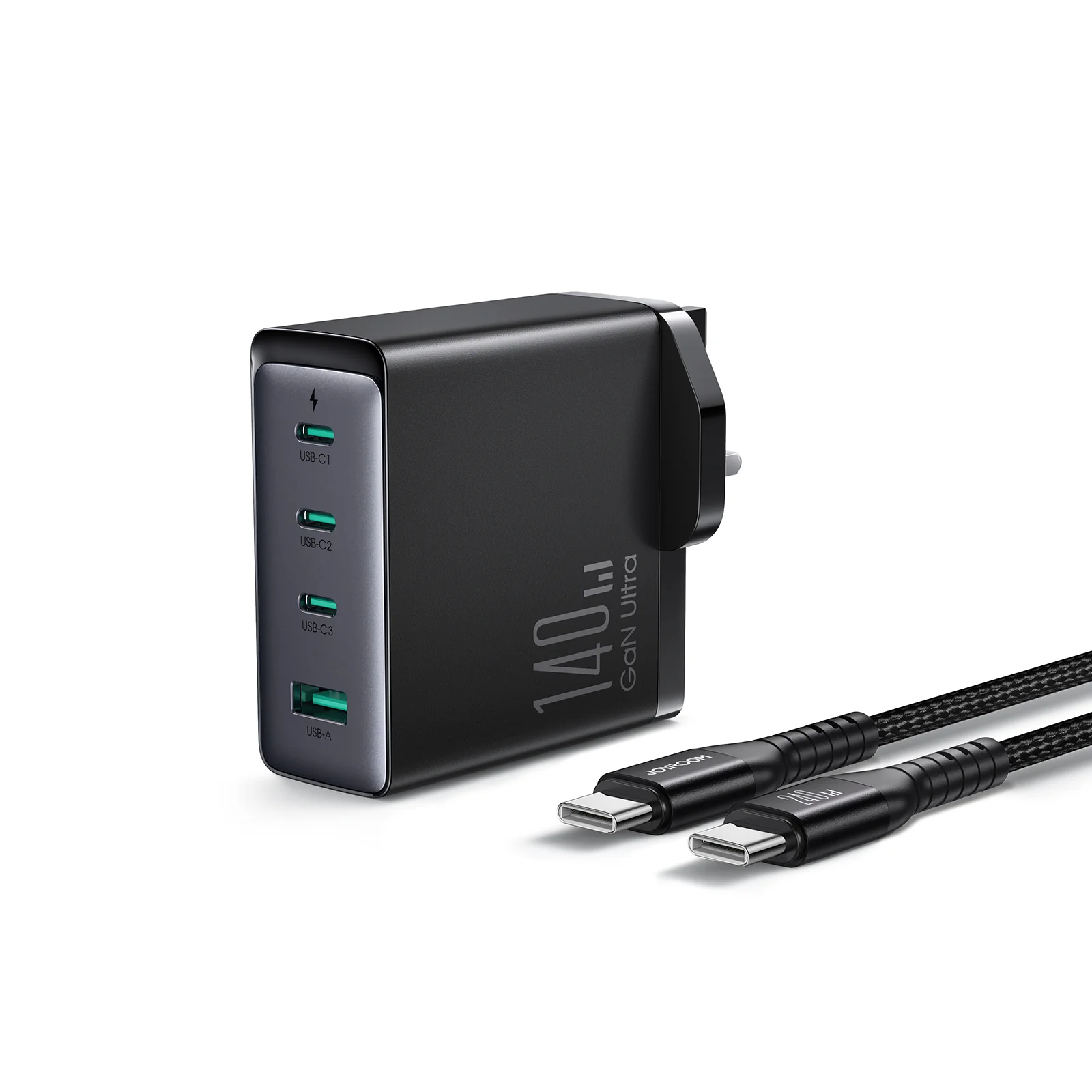
From smartphones and tablets to laptops and wireless headphones, keeping multiple devices charged without carrying a heavy pouch of bricks is an everyday challenge. Here is your definitive primer on modern fast-charging protocols and power bank efficiency.
Why Gallium Nitride (GaN) Changed Everything
Traditional silicon-based chargers produce substantial heat when transferring high wattages. Gallium Nitride (GaN) conducts electrons 1,000 times more efficiently than silicon. This means manufacturers can pack 65W or 100W of multi-port Power Delivery into an adapter that fits right into your coin pocket.
Rated Capacity vs Real Usable Capacity
Have you ever wondered why a 20,000mAh power bank doesn’t give four full charges to a 5,000mAh phone? The rating is measured at the internal battery cell voltage (3.7V). When boosting up to USB output (5V or 9V/12V PD), energy is lost to voltage conversion and heat.
Rule of Thumb: Expect roughly 65% to 70% usable efficiency from any high-quality certified power bank. A 20,000mAh bank realistically delivers around 13,000mAh to 14,000mAh of juice.
Multi-Device Safety Protocols
Always pick chargers and power banks equipped with MultiProtect safety systems—guarding against over-voltage, temperature spikes, short circuits, and overcharging. Intelligent power allocation chips dynamically distribute wattage depending on what is plugged in.